A small business website typically runs from $0 to several hundred dollars a year for a DIY build, several thousand dollars to mid five figures as a one-time freelance or boutique project, and can be more for a custom agency or e-commerce build. Recurring costs for hosting, maintenance, security, and marketing usually add a moderate percentage of the initial build cost every year, and accessibility work, custom integrations, and online stores push every range higher.
TL;DR:
- Recurring expenses for hosting, security, backups, and marketing often surpass initial build costs within three years, emphasizing the importance of long-term budgeting.
- Vendors should itemize integrations and accessibility testing separately to enable accurate comparison, as these add significant time and costs.
- Geographical location influences hourly rates, but remote work and vendor type often have a larger impact on overall price differences than regional factors.
- Clear scope, milestone payments, and defined post-launch support reduce risk of scope creep and budget overruns, making transparency critical in vendor selection.
Table of Contents
- Quick cost snapshot by build approach
- What you pay for in each build path and why costs vary
- Recurring and hidden costs most owners miss
- How to budget and what to ask every vendor
- Timelines and three sample budgets
- Does website cost change by region or market
- Why pricing transparency matters more than the sticker price
- Get a clear quote through the Website Launchpad program
- FAQ
- Sources
Quick cost snapshot by build approach
Before you call a single vendor, figure out which bucket you fall into. Scope, not vendor choice, is what moves the price.
- DIY site builder: roughly $0 to $450 a year for the platform, plus hosting and a domain, best for solo owners with time to learn the tools and no complex features.
- Freelancer: typically starting around $1,500 one time, a fit for a simple brochure site or a local service business that needs a few pages done well.
- Boutique agency: commonly in the mid-thousands range, suited to businesses that want custom design, copywriting, and integrations handled for them, according to Forbes Advisor’s cost breakdown.
- Full custom or e-commerce build: can reach high five figures when the project includes inventory, payment processing, and ongoing optimization, per the same Forbes Advisor guide.
These ranges overlap on purpose. A simple five-page site from an agency can cost less than a heavily customized DIY build loaded with paid plugins.
What you pay for in each build path and why costs vary
Every build path charges for the same basic ingredients: design, development, content, and testing. What changes is who does the work and how much of it gets automated versus custom-built.
- DIY: you pay for a template, hosting, and plugins or extensions, and you supply the time. It works well for straightforward service pages but gets expensive fast once you need custom logic, because premium plugins and your own hours add up quietly.
- Freelance: typical quotes cover design, development, and a content pass, with a set number of revisions. Common exclusions are copywriting, stock photography licensing, and post-launch support, so ask before you sign.
- Agency: the higher price covers strategy, custom design, third-party integrations, quality assurance, and launch support. You’re paying for fewer surprises and a team that has solved your specific problem before.
- E-commerce: expect extra line items for payment gateways, inventory syncing, shipping rules, PCI compliance, and product data import. These are rarely included in a base quote, and they’re where budgets quietly double.
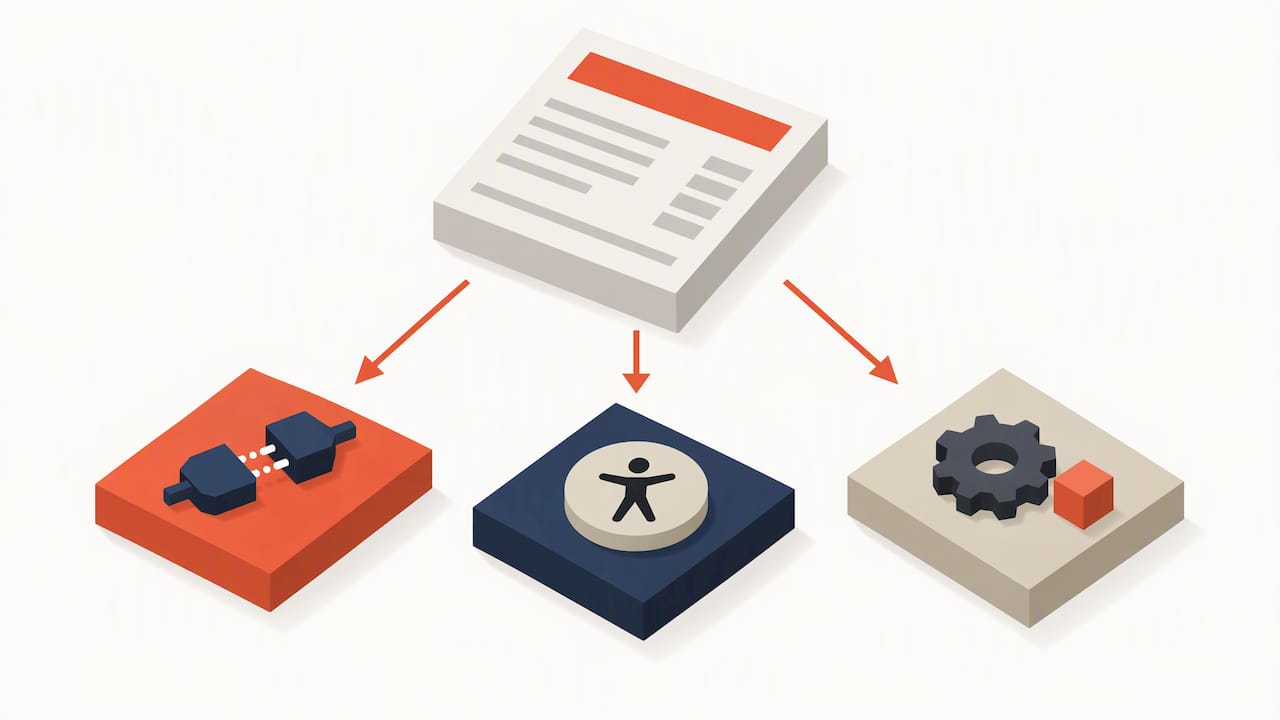
Accessibility work under the Web Content Accessibility Guidelines, CRM or booking system integrations, and point-of-sale connections all add both time and cost, because they require testing beyond a simple visual check.
Pro Tip: Ask every vendor to list integrations and accessibility testing as separate line items, not a vague “custom features” bucket, so you can compare quotes apples to apples.
Recurring and hidden costs most owners miss
The build is only the first bill. Hosting tiers typically range from shared plans to managed VPS, and most small businesses also carry a separate domain renewal, an SSL certificate, and a business email subscription.
- Maintenance and updates: ongoing plugin, theme, and core software updates to avoid security gaps.
- Security monitoring and backups: following a 3-2-1 backup approach (three copies, two formats, one off-site) is a recommended baseline from CISA for reducing data loss and ransomware recovery costs.
- Ransomware mitigation: patching and managed services are specific mitigations named in CISA’s StopRansomware guide.
- Accessibility remediation: manual remediation of PDFs and legacy documents can be a substantial first-year expense for small organizations, according to SBA Advocacy’s comment letter on accessibility compliance timelines.
- Marketing and SEO: an ongoing budget line, not a one-time cost, since visibility fades without continued investment.
Reliable backups and routine patching are among the most cost-effective safeguards against ransomware recovery expenses, according to CISA, making them worth budgeting for even on a tight launch budget.
How to budget and what to ask every vendor
Calculating total cost of ownership means adding the build price to three years of hosting, maintenance, security, and marketing, then comparing that total across vendors instead of comparing just the upfront quote.
- List one-time costs: design, development, content, and any setup fees.
- List annual costs: hosting, domain, SSL, email, maintenance, and a marketing minimum.
- Multiply annual costs by three and add that to the one-time total for a realistic three-year number.
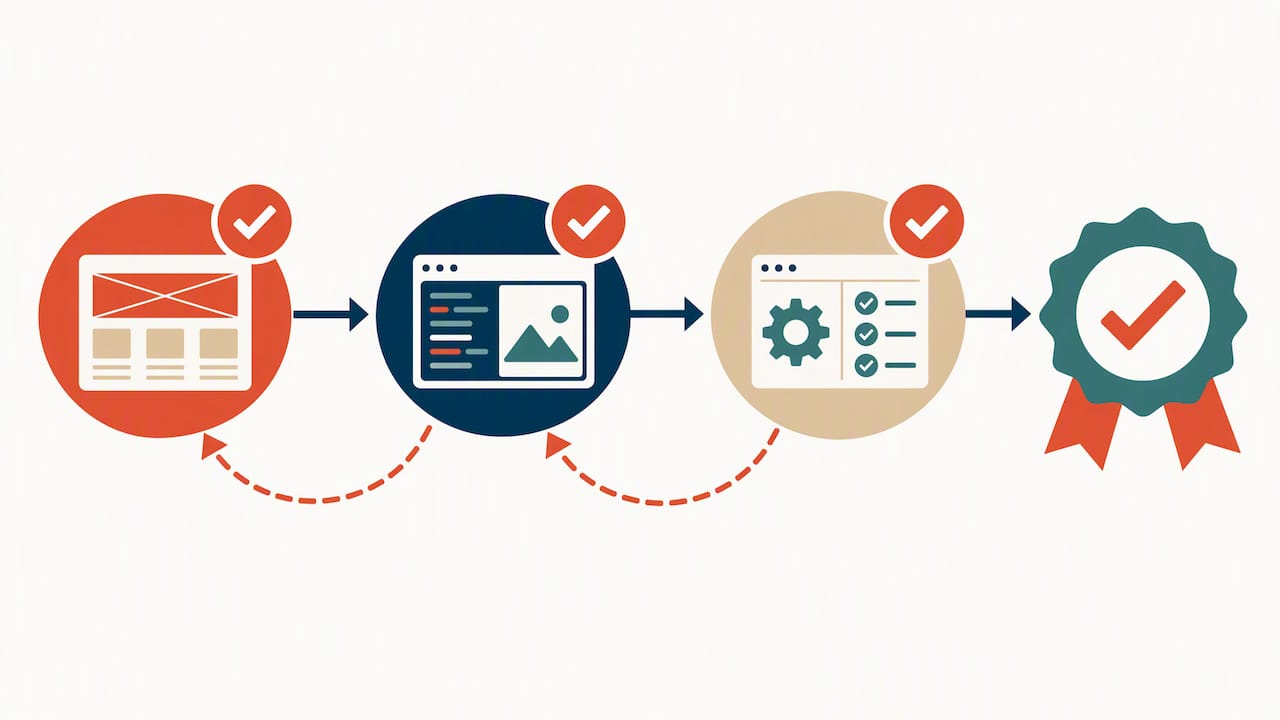
- Ask for a written scope of work with milestones, acceptance criteria, and a change-order policy before any deposit changes hands.
- Confirm who owns the code, what the post-launch support window covers, and whether CMS training is included.
Watch for vague deliverables, no backup or restore policy, and pricing with no milestone breakdown. These are common red flags worth pausing over, since unclear scope tends to produce surprise invoices. Practitioner guidance consistently recommends milestone-based pricing and a written SOW specifically to avoid that outcome, a point echoed in SBA Advocacy’s filing on small-business vendor practices.
Pro Tip: Require a milestone sign-off and written acceptance criteria for each phase, so you’re never paying for a “finished” feature that still needs rework.
Timelines and three sample budgets
A DIY site can go live in days to a few weeks. A freelance project usually takes 4 to 8 weeks. An agency build runs 8 to 16 weeks or longer, and e-commerce projects often extend beyond that once product data and payment testing are factored in.
A basic brochure site (5 to 8 pages, no e-commerce) typically lands at $1,500 to $4,000 upfront with modest annual upkeep. A small storefront with a handful of products and a payment gateway often runs $3,500 to $8,000 upfront. A growth-ready site with custom integrations, accessibility testing, and ongoing SEO commonly starts above $8,000 upfront with a higher annual ongoing spend to match.
| Approach | Typical upfront | Typical annual ongoing | Best for |
|---|---|---|---|
| DIY builder | $0 to several hundred dollars | modest annual fees | Solo owners with time and simple needs |
| Freelancer | starting around $1,500 | moderate annual fees | Local service businesses needing a few pages |
| Agency | mid-thousands up to tens of thousands | substantial annual fees | Businesses needing custom design and integrations |
Does website cost change by region or market
Labor rates for designers and developers vary by metro area, and that shows up directly in freelance and agency quotes. A market with a higher cost of living for skilled labor, common in large coastal cities, tends to produce higher hourly and project rates than smaller metro areas, even for comparable scope.
That said, remote work has flattened much of this gap. A small business in a mid-sized market can hire a developer or agency based almost anywhere, so the bigger driver of cost difference is usually the vendor’s business model (freelancer versus agency, hourly versus flat fee) rather than geography alone. Where regional differences still matter most is local SEO and Google Business Profile management, since visibility for “near me” searches depends on local citations, reviews, and listing accuracy rather than raw development cost. Businesses competing in denser, more competitive local markets often need a larger ongoing marketing budget to rank, even if the website build itself costs the same as it would in a quieter market.
If you’re comparing quotes across regions, weight the comparison toward scope and deliverables first, then treat any regional rate difference as a secondary factor, not the deciding one.
Why pricing transparency matters more than the sticker price
Most budget overruns come from scope that was never written down, not from a vendor charging too much. A milestone-based SOW with sign-offs at each phase, clear backup and restore responsibilities, and a defined post-launch support window protect your budget far more than chasing the lowest quote. Programs that lower the upfront cost and spread payments around launch, paired with managed care afterward, reduce financial risk for a new site rather than just delaying it.
— George
Get a clear quote through the Website Launchpad program
If a lower upfront cost and a managed path to launch fits your budget better than a large lump sum, the Website Launchpad program from Red Rock Webscapes pairs a reduced setup fee with ongoing care plans like Managed Core, Growth Care, and Commerce Care.
Take the vendor checklist from this article and compare it line by line against any quote you receive, including ours. See current packages and pricing to find the scope that matches your budget.
FAQ
Do I need an LLC to run a website?
No, you don’t need an LLC to run a website, since a sole proprietorship or other business structure can operate one too. Forming an LLC is a separate legal and tax decision from building a website, so check with an attorney or accountant about which structure fits your business.
Is $1,500 a good price for a website?
$1,500 is a reasonable price for a simple custom small business site, and it sits at the entry point for professionally built sites according to Forbes Advisor. Whether it’s a good deal depends on what’s included: confirm the quote covers design, basic SEO setup, and a defined number of pages before comparing it to other bids.
Is it worth making a website for a small business?
For most small businesses, a website is worth the investment because it extends your visibility beyond foot traffic or word of mouth and gives customers a way to find hours, services, and contact details at any time. The return depends on matching the build to your actual needs rather than overpaying for features you won’t use.
Why is owning a website so expensive?
A website’s cost adds up because it includes several ongoing services, not just a one-time build: hosting, security monitoring, backups, maintenance, and marketing all carry separate recurring charges. Accessibility compliance and custom integrations can add further expense, which is why even a simple-looking site can carry a real annual budget.
Sources
- How Much Does A Website Cost? (2026 Guide)
- Comment Letter – Advocacy, Extension of Compliance Dates for Nondiscrimination Based on Disability
- Back Up Business Data | CISA
- StopRansomware guide (CISA)